Our online chat, online enquiry form and course register interest are temporarily offline due to maintenance and will be available again from Monday.
Skip to main content


- Go to homepage
- Ways to study
- Ways to study Easy Read
- Easy Read
Easy Read
Ways you can study
An Easy Read guide about ways you can study at TAFE NSW.
About this page

When you see the word we it means TAFE NSW.

We use big text to make it easier to read.

We wrote some important words in bold.
This means the letters are thicker and darker.
We explain what these words mean.
Summary of this page
This page tells you about
- ways you can study at TAFE NSW
- where you can learn
- how much you can study each week
- how to get help to choose what suits you.
Learn in more than one way

You can choose how you learn at TAFE NSW.
You can choose more than one way to study.
Study on campus

You study at a TAFE NSW campus.
You learn face to face.
Face to face means you learn in the same room as your teacher.

You may learn in
- a classroom

- a workshop.

You may also learn in a special learning space.
These can include places like
- a supermarket

- an art studio.
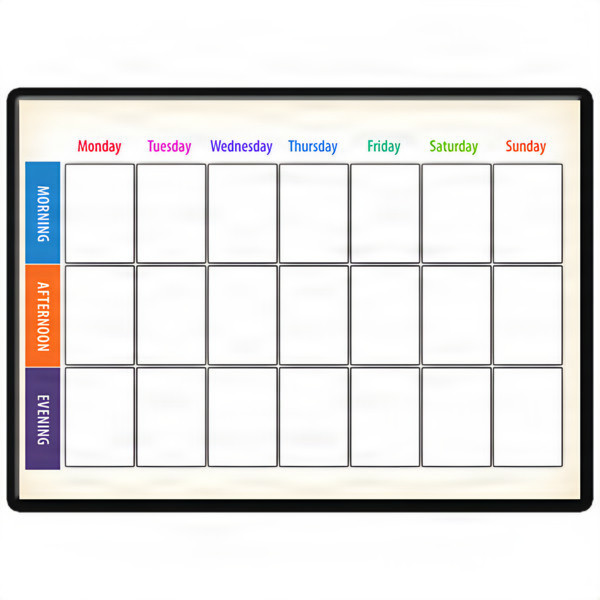
You follow a weekly timetable.
A timetable helps you
- stay organised
- meet other students
- learn.
Online study options

You study using the internet.
You need
- a computer
- internet access.
You can study online in different ways.
Virtual classroom (Online at set times)
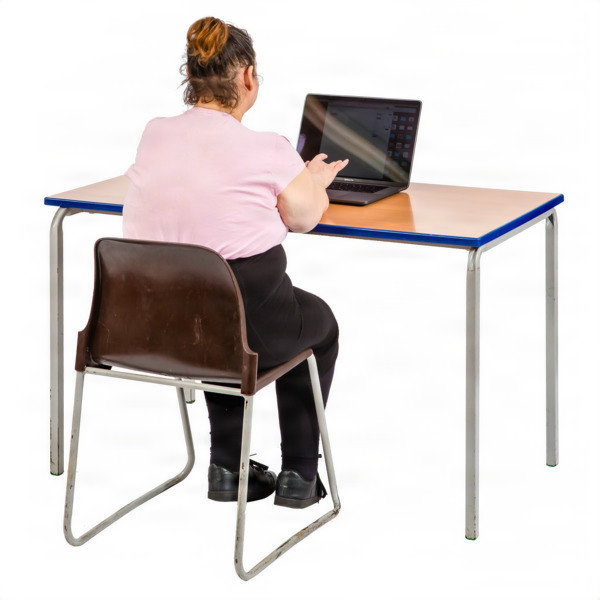
You can study in a virtual classroom.
A virtual classroom is an online class.

You join the class at a set time.
Everyone learns at the same time.

You can see and hear
- your teacher
- other students.
You can join the class:
- on campus

- off campus, such as from home.
Online study (Set your own pace)

You can study online at your own pace.
You choose when you study.
You can study
- 24 hours a day
- 7 days a week.

You can study
- during the day
- at night
- any day of the week.
Your learning materials are available
- 24 hours a day
- 7 days a week.
Learn at a work place

In some courses you learn at a work place.
This is called work placement.
Work placement means you learn by doing real work.

You can do work placement in:
- a real work place
- a practice work place.
A practice work place is a safe place to practise work skills.
It looks like a real job.

You are supported by
- your employer
- a workplace training officer.
Combination study
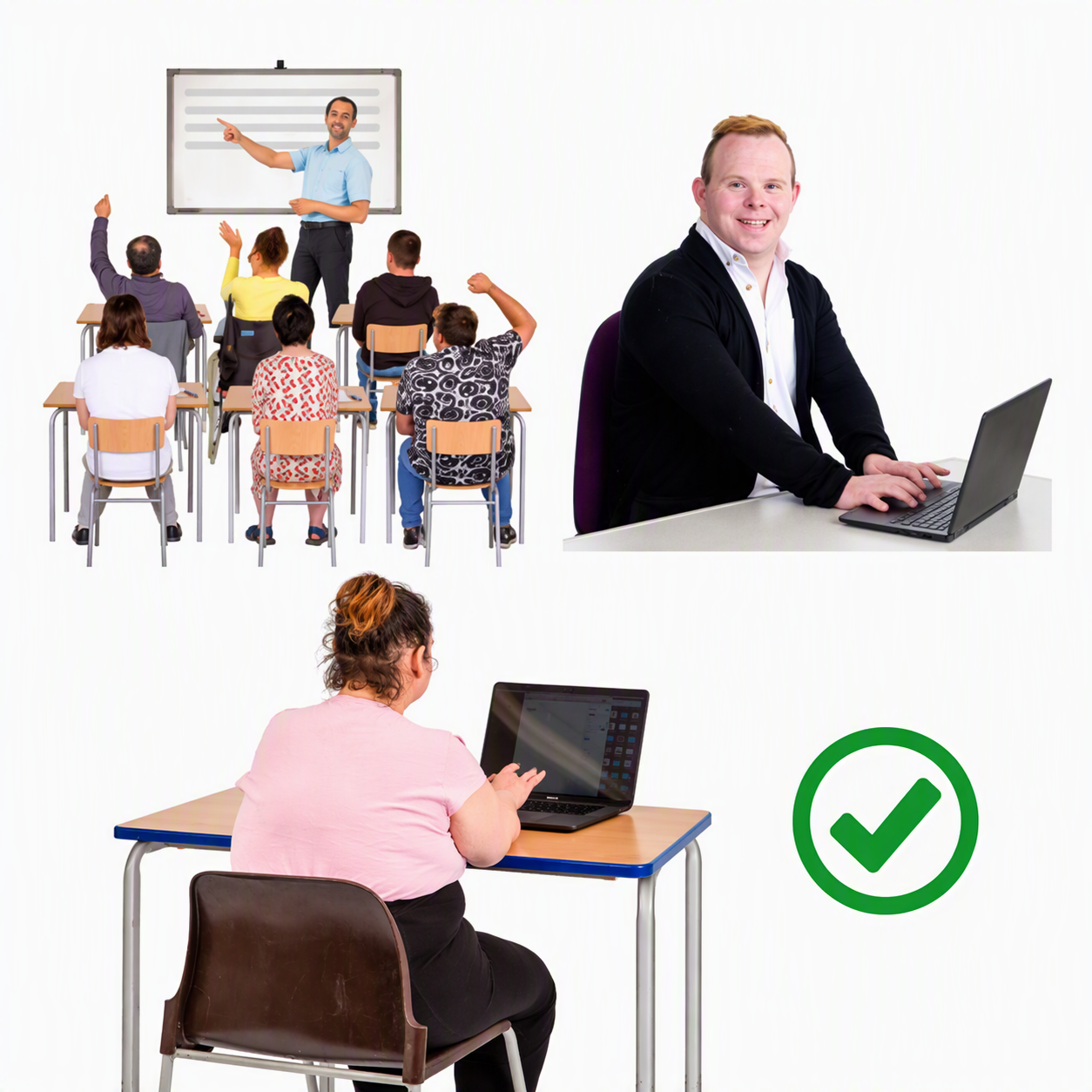
You can study in a combination of ways.
Combination study means using more than one way to study.
You can learn
- on campus
- online
- at work.
Combination study helps some students learn better.
How much you study
You can choose how many hours you study each week.

You can study
- more hours
- fewer hours.
Full time study
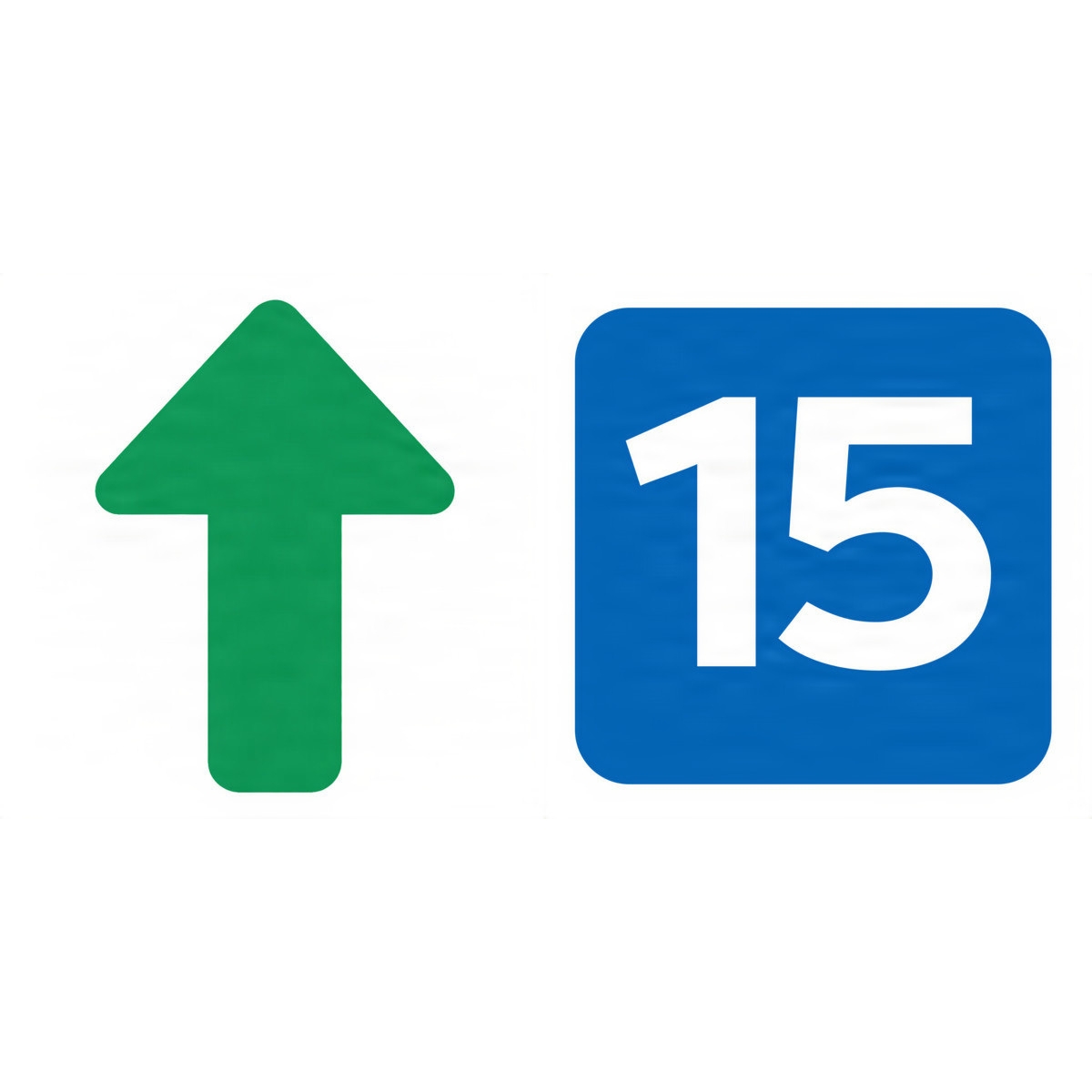
You study more than 15 hours each week.
You might also need to do online activities.
You might need to spend time at a workplace.
Part time study

You study fewer than 15 hours each week.
You may also need to
- do online activities
- spend time at a workplace.
Self paced study

You choose
- when you study
- how fast you study.
You manage your own learning.

You also learn through assessments.
An assessment is a task that shows what you have learned.
Variable study
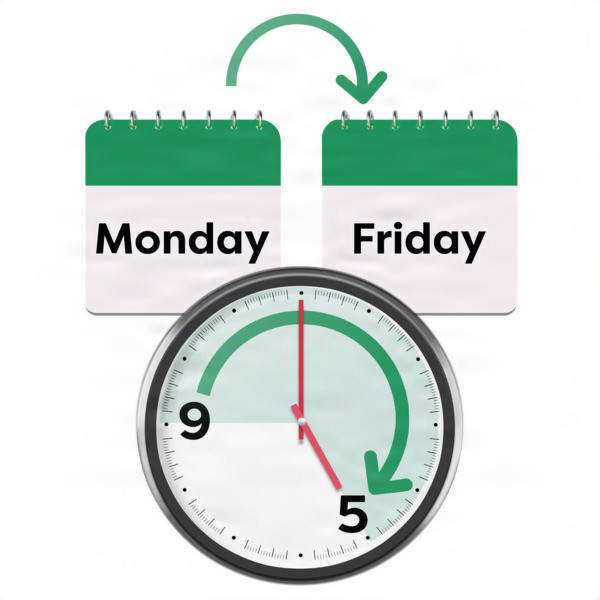
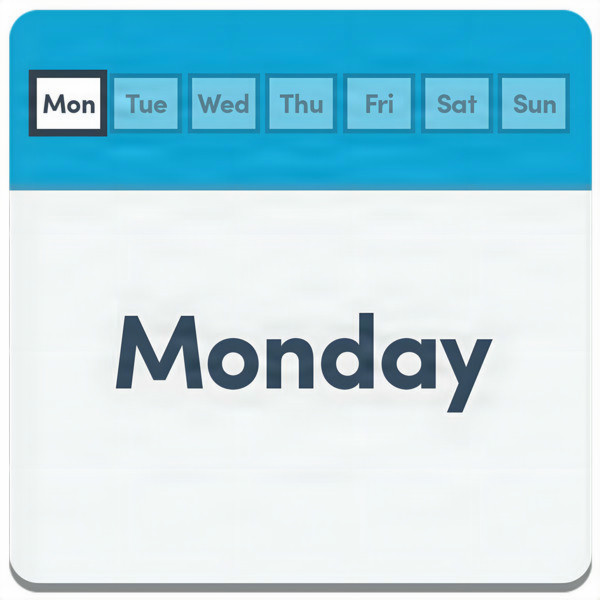
Variable means something changes.
Variable study means your study hours can change.
You may study
- full-time for some parts
- part-time for some parts.
Choose how you want to study
Follow these steps to choose how you want to study.
- Choose where you want to learn.
- Decide how many hours you can study.
- Contact TAFE NSW for help.
Get help
Get help by phone
To call TAFE NSW for help follow these steps
- Call 131 601

- Press 5 for counselling and disability services
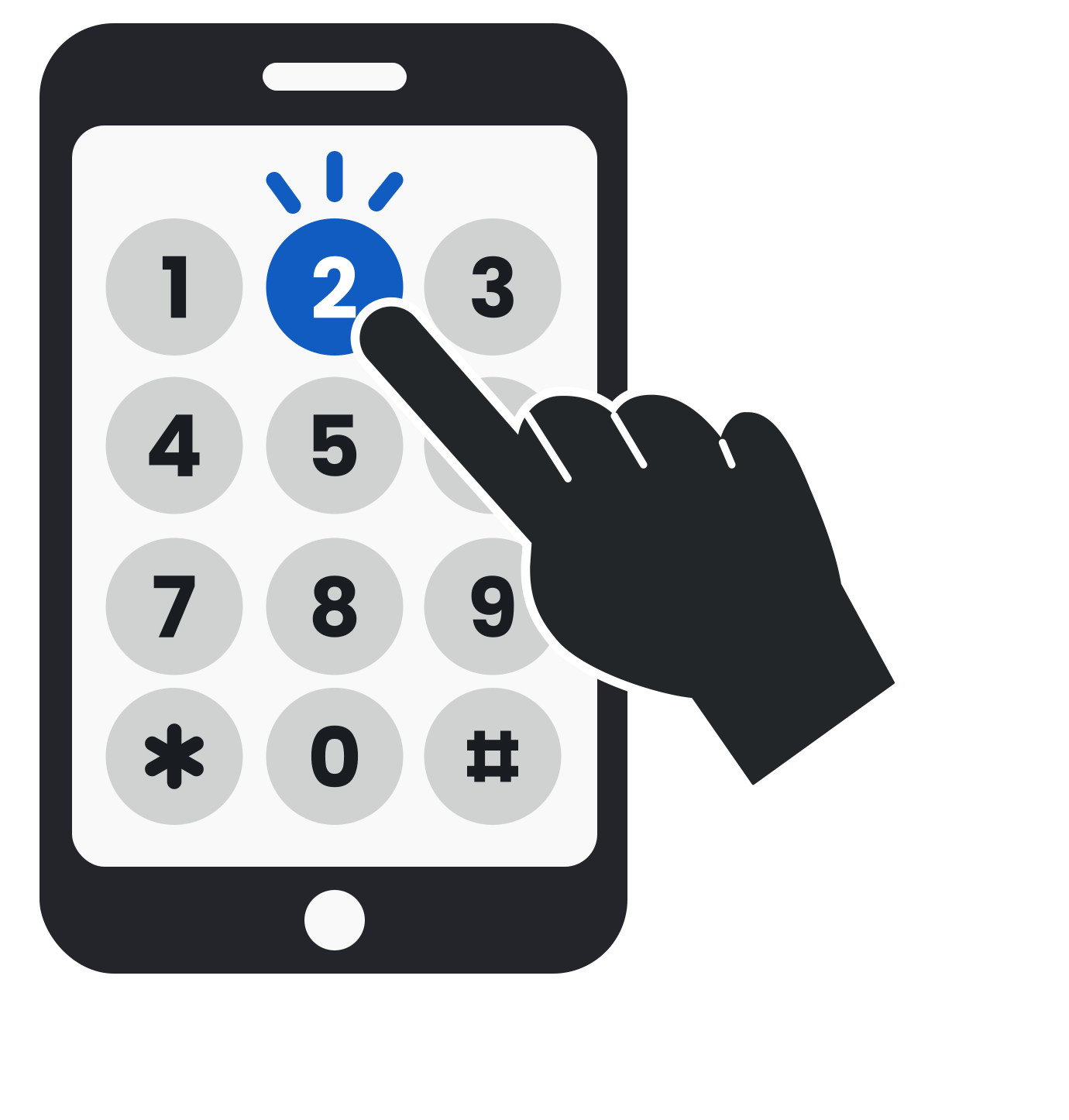
- Press 2 for student support
Get help by email

You can email the counselling and careers team.
SI.CareersConnect@tafensw.edu.au
You can email the disability access and support team.
DisabilityAndAccessStudentSupport@tafensw.edu.au
Get help using live chat

You can chat online with a support worker.
Live chat support
Support to contact us
You can use the National Relay Service if you
- are deaf
- find it hard to hear on the phone
- find it hard to speak on the phone.
The National Relay Service is free.
National Relay Service contact details
Speak and Listen
Call 1300 555 727.
You can ask them to call TAFE NSW for you.

The TAFE NSW phone number is 131 601.
Other help from the National Relay Service

You can find other ways the National Relay Service can help.
Visit their Help desk page.
Difficult word list
This list explains what the words in bold on this page mean.
Assessment
A task that shows what you have learned.
Combination
Using more than one way to study.
Face to face
Learning in the same room as your teacher.
Timetable
A plan that shows you when you study.
Variable
Something that changes.
Virtual classroom
An online class with a teacher and students at the same time.