Our online chat, online enquiry form and course register interest are temporarily offline due to maintenance and will be available again from Monday.
Skip to main content![""]()


How you’ll learn at TAFE NSW

TAFE NSW offers different ways to study. This helps you build knowledge and practical skills in your chosen field.
Study requirements for international students
International students must enrol in full-time courses.
Contact hours
A full-time course means you have 20 scheduled course contact hours each week. This may include face-to-face classes, virtual classrooms and online or self-paced learning.
Face-to-face learning
At least two-thirds of course hours must be in person with your teacher.
Online, virtual and/or self-paced learning
Up to one-third of course hours may be delivered through these methods.
Enrolment
Upon enrolment, you will receive a copy of your personal timetable.
Note: check the academic year calendar to assist with your planning.
Course progress and attendance requirements
You must meet your course progress and attendance requirements.
International students must stay enrolled and make satisfactory progress each semester, in line with the TAFE NSW Course progress and and attendance monitoring policy [PDF, 213 KB]. If you are in an ELICOS program, you must attend at least 80% of classes each term.
If you are not meeting these requirements, or risk falling behind, we will work with you to put an intervention plan [PDF, 95 KB] in place to help you succeed.
To learn more, visit the TAFE NSW policies and procedures page.
Assessment methods
TAFE NSW courses are assessed through a combination of assessment types, which may include:
- written assignments
- case studies
- reports
- group tasks
- portfolios
- presentations
- workplace assessments.
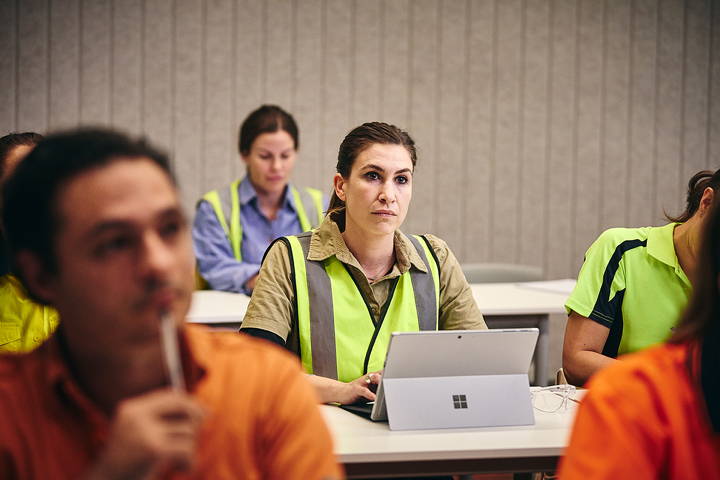
Work placement
Work placement may be part of your course. It gives you practical experience in a real work setting.
Is work placement required?
Check your course page to see if work placement is included. Any work placement listed is compulsory. Your teacher will help you arrange it.
What do I need to do before starting my work placement?
Check your course page to see any specific requirements before you can start your work placement.
If you’re unsure, your teacher can help you understand the requirements.
Course completion requirements
To complete your course, you must pass all required units, including any work placement.
Work placement and visa requirements
Your work placement hours are part of your course, so they don’t count towards your student visa work limit. While on work placement you must continue to maintain a full-time study load.
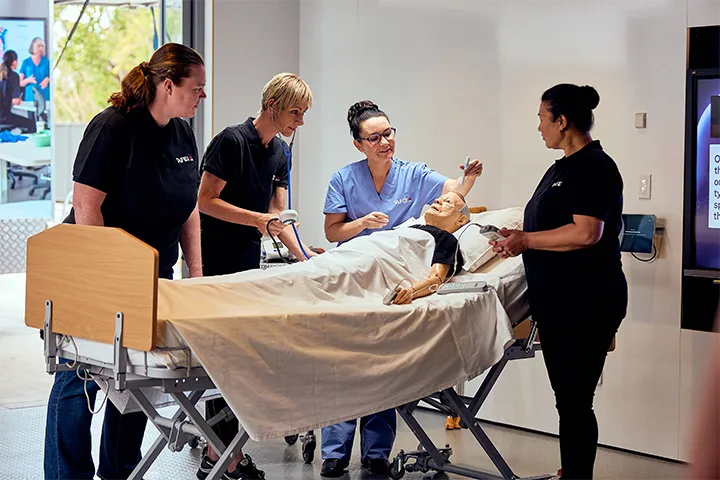
Learning resources and equipment
TAFE NSW provides equipment and learning resources to hep you study. These include:
- computers and internet access
- whiteboards and shared learning spaces
- simulated work environments
- library resources and other learning materials.
You can find more resources at your campus library.

Online and virtual classrooms
Online and virtual learning can make up to one-third of your total study time.
What is a virtual classroom?
A virtual classroom is a live online lesson. You learn with your teacher and other students using web conferencing.
Virtual classes include activities to help you build skills and share ideas.
TAFE NSW uses online platforms to connect students and teachers. The main platform is Microsoft Teams. Your teacher will let you know your class times and which platform to use.
For more information, see our Virtual Classroom Guide for what to expect, how to prepare, and tips for troubleshooting.
Participating in a virtual classroom
The same rules apply in virtual classrooms as in face-to-face learning environments. Your teacher leads the class in live sessions using Teams.
Our Prepare for virtual study page helps you understand how you can successfully participate, respect others and stay safe online.

We’re here to help
If you can't access your virtual classroom, please call the TAFE NSW Customer Service Team on 131 601 and follow the prompts.
If you are deaf or hard of hearing, you can also seek help from the National Relay Service.