Skip to main content![alt=""]()


- Go to homepage
- About
- Corporate
- Infrastructure strategy
TAFE NSW 20-Year Infrastructure Strategy

The TAFE NSW 20-Year Infrastructure Strategy (2022 to 2042) sets out a plan for the future. It will help TAFE NSW meet the changing needs of students, communities and industry.
The strategy:
- shows how infrastructure supports learning and skills development
- aims to improve the student experience
- guides future facility upgrades and improvements
- helps TAFE NSW respond to changes in education and training.
The strategy has 3 key directions, each with clear outcomes. Together, they support students and teachers, strengthen community connections, and help meet industry needs.
1. Strengthen community connections
We want our campuses and surrounding areas to be welcoming, inclusive and easy to access. We work with government and local planning partners to create positive outcomes for communities.
Our goals are to:
- make sure our buildings and facilities support plans for Sydney and regional NSW
- help create jobs and economic growth around our campuses
- make our services easier to access for people facing barriers or disadvantage.
2. Flexible, adaptable learning spaces
We want you to have the skills you need for your future. Whether you’re learning new skills or building on existing ones, your training should support your goals.
TAFE NSW learning spaces are flexible, modern and digitally connected. They support practical learning and help students learn in different ways.
Our goals are to:
- give students different ways to build their skills and knowledge
- use flexible spaces and digital tools to support learning
- strengthen partnerships with industry, education providers and government
- build a connected training network that meets local community needs
- improve facilities and technology in a financially sustainable way.
3. Facilities that support sustainability
We want our facilities to support a more sustainable future. They should reduce environmental impact and help us use resources more efficiently.
Our goals are to:
- reduce our environmental impact and lower operating costs
- improve energy efficiency while supporting high-quality education
- make the best use of our facilities and resources
- invest in renewing facilities over the next 20 years
- improve equipment, technology and learning spaces.
Interconnected Training Network (ITN)
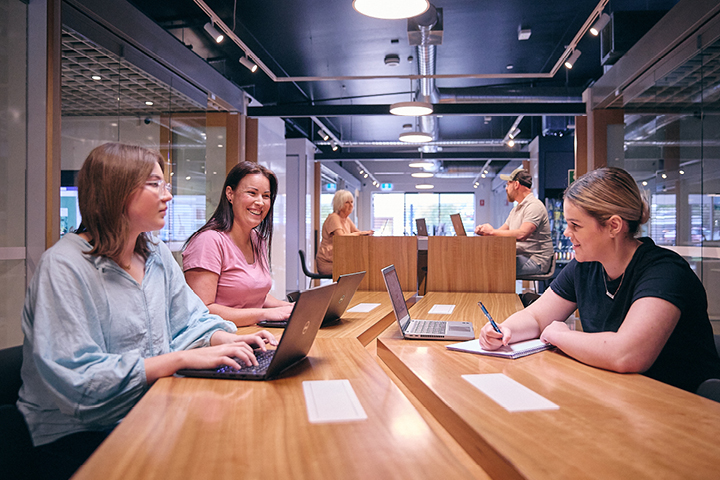
Connected Learning Centres
Connected Learning Centres (CLCs) in regional NSW use simulations and virtual reality to help students build practical skills and learn in flexible ways.
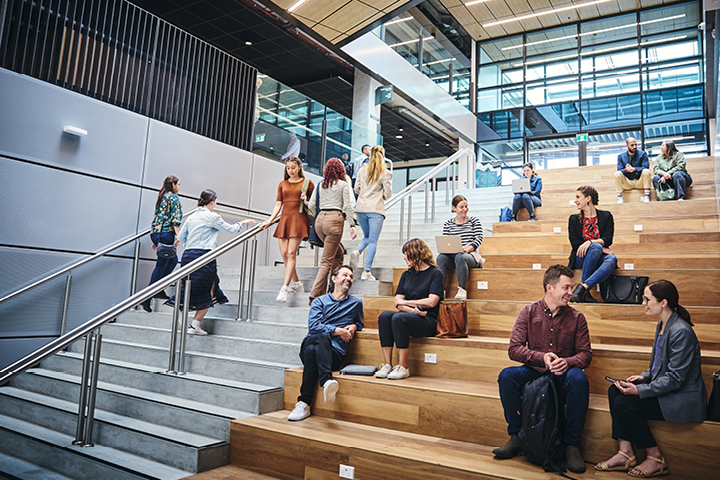
Centres of Excellence
Centres of Excellence (CoEs) deliver future-focused training in construction, manufacturing and digital technology. Students gain in-demand industry skills.